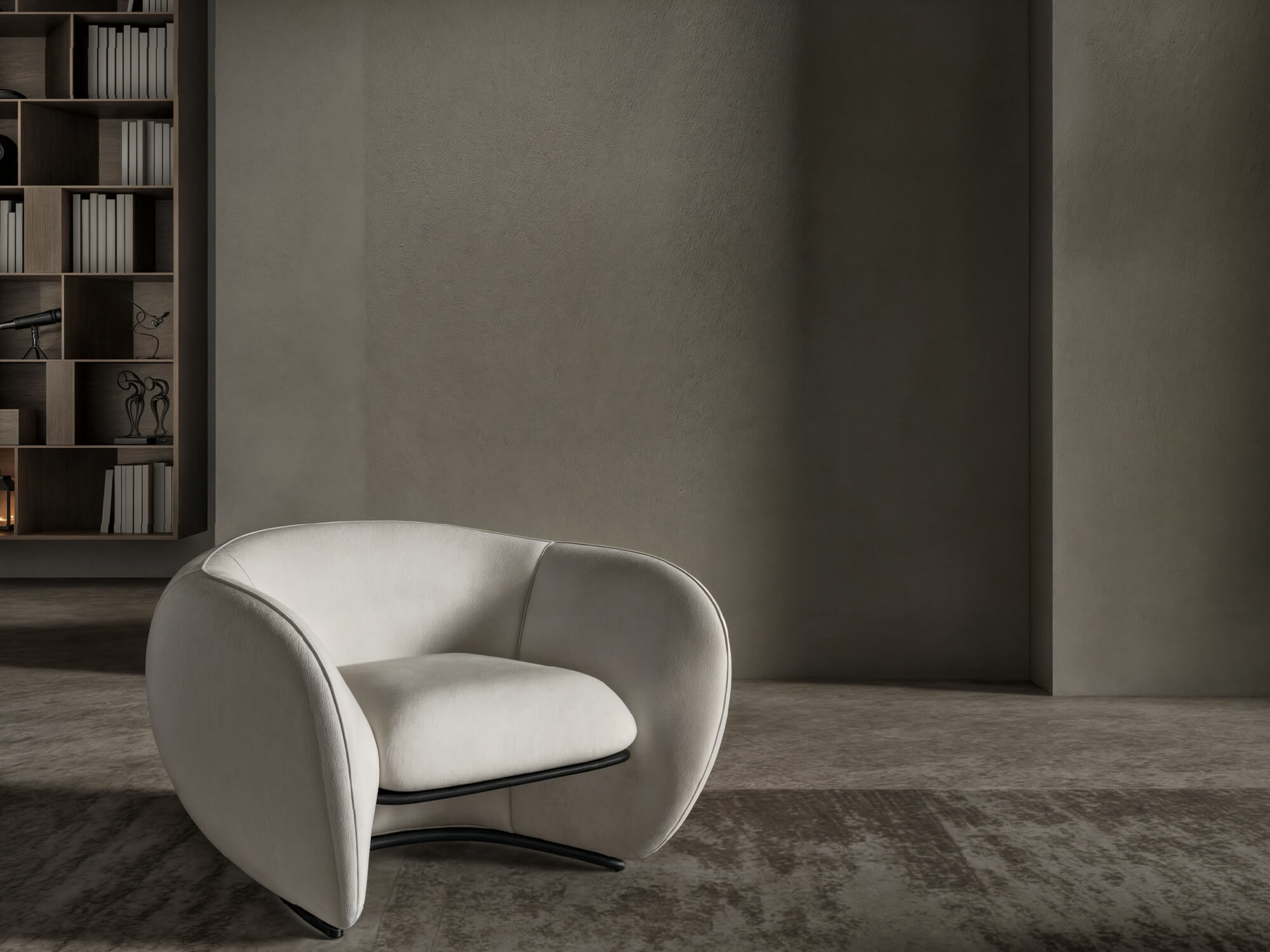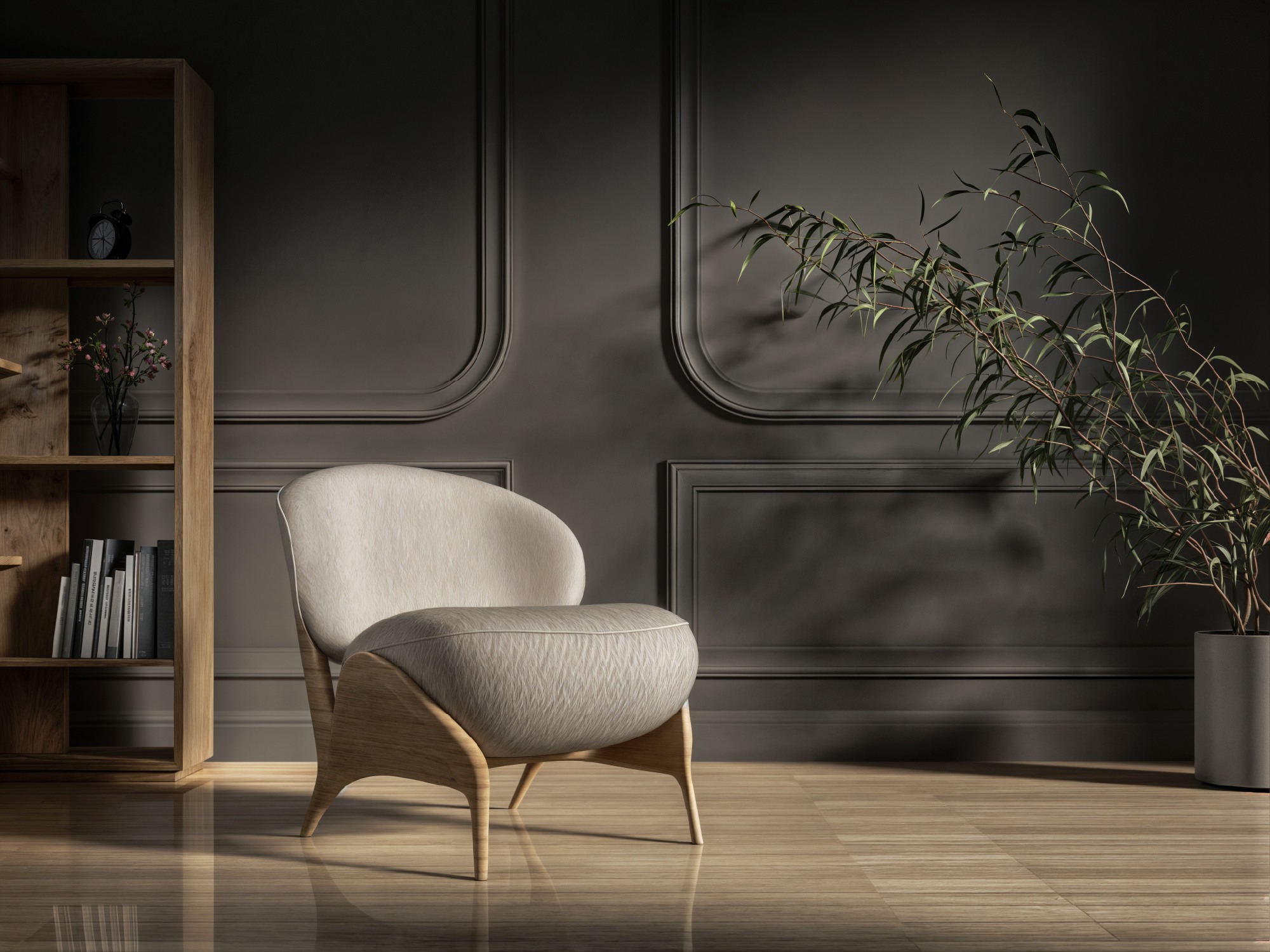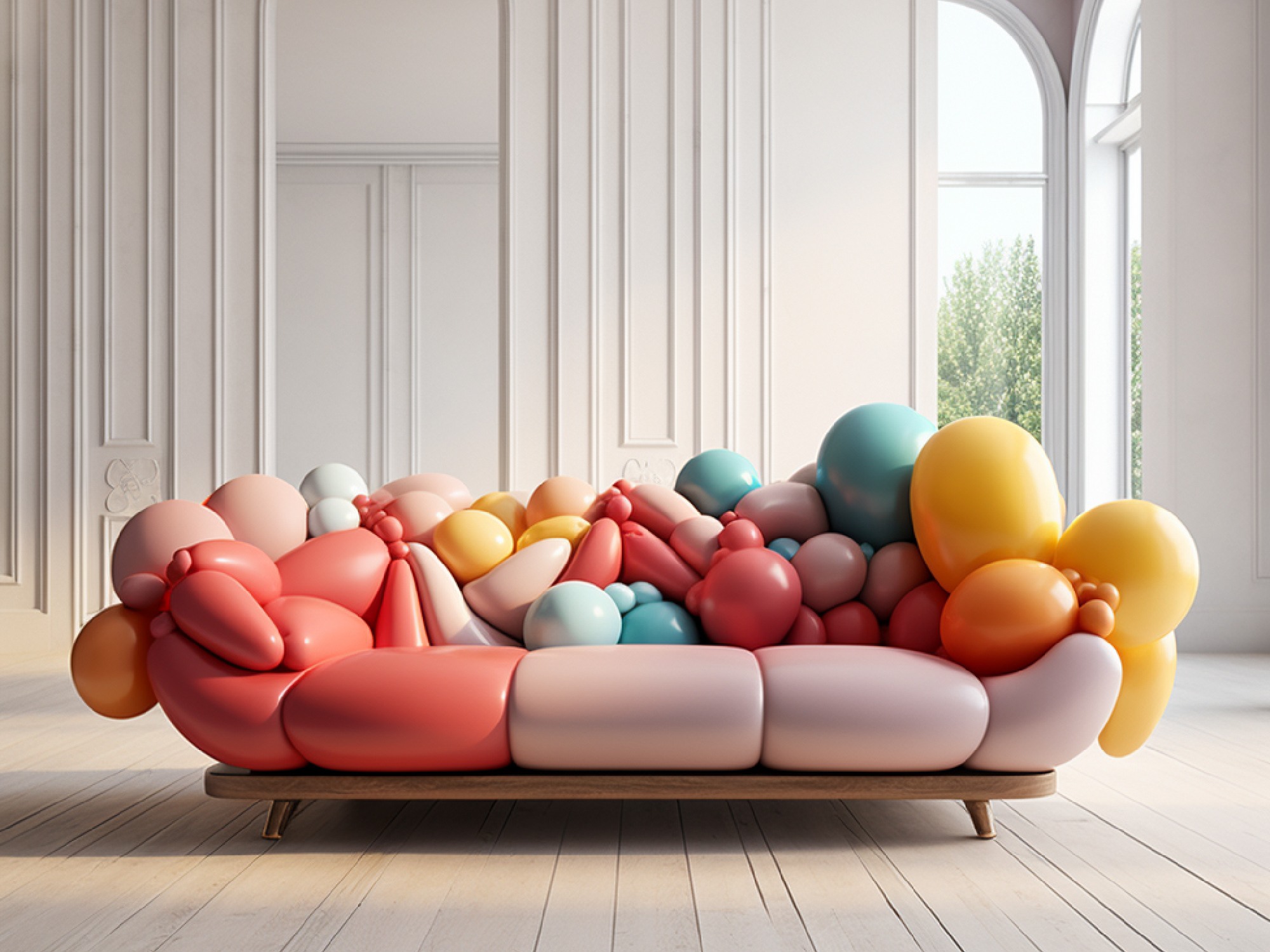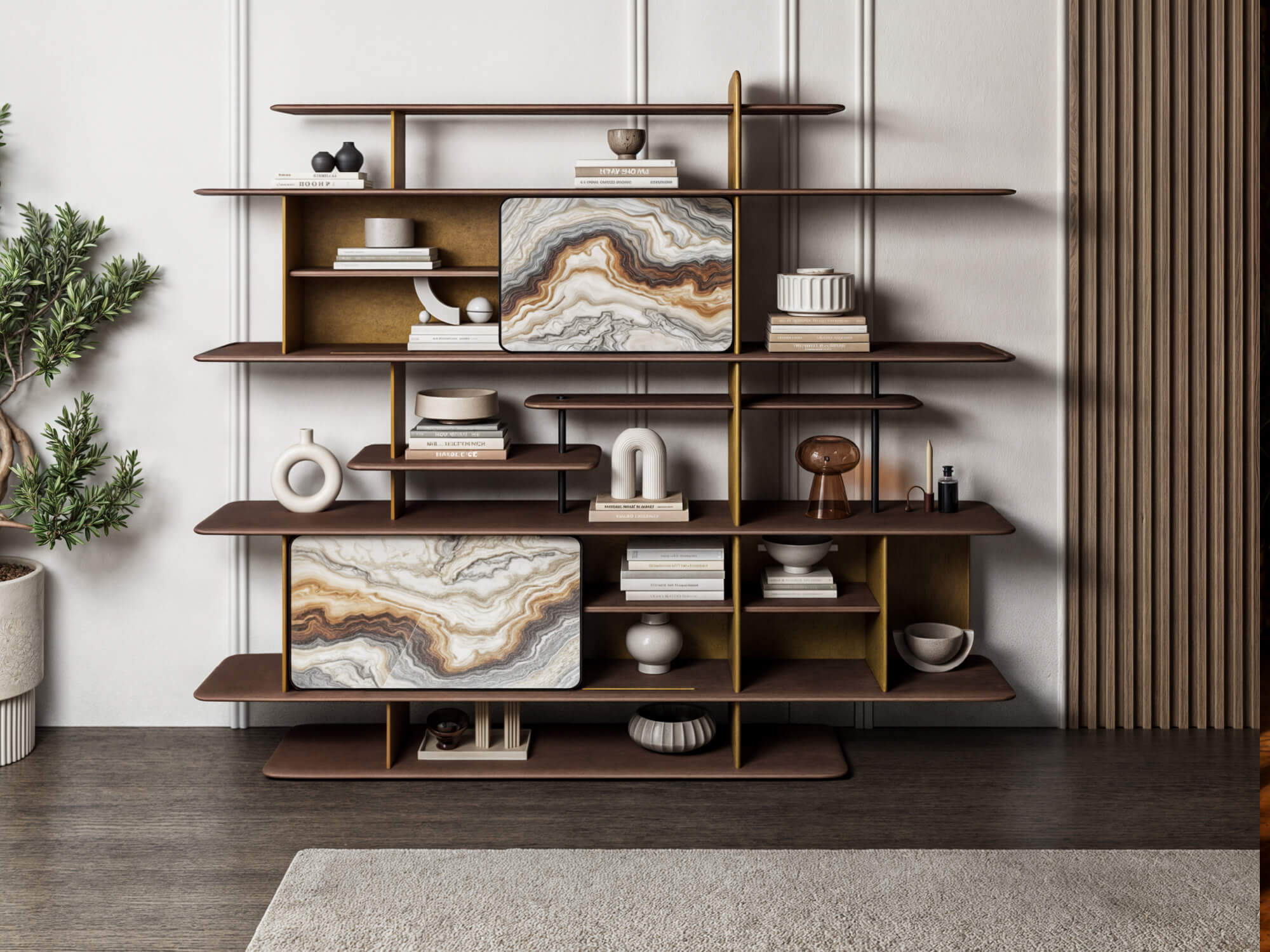

Luxury furniture is no longer about excess or display—it’s about intentional design, personal relevance, and timeless craftsmanship. As Mumbai’s homeowners evolve in taste and expectations, the way luxury interiors are approached is also changing. Today, discerning clients are seeking privacy, depth, and collaboration rather than quick showroom purchases.
This shift has given rise to the concept of a mumbai appointment only luxury furniture studio, where the focus is not on volume or walk-ins, but on curated design experiences tailored to individual lifestyles.
Mumbai homes are increasingly architectural, compact, and design-led. From sea-facing apartments to expansive penthouses, every space demands furniture that responds precisely to its layout, light, and usage. Mass-produced furniture often fails to address these nuances, leading to compromises in comfort and aesthetics.
A curated studio model allows designers to step away from retail pressures and instead prioritize context-driven design. Each piece is created with a clear purpose—supporting movement, enhancing spatial balance, and elevating daily living.
Privacy has become one of the most valuable aspects of modern luxury. In a private design environment, clients are free to explore ideas, discuss preferences, and refine details without distraction.
This focused setting enables:
The result is furniture that feels personal rather than generic.
Unlike traditional showrooms, curated studios approach furniture as a design process, not a product choice. Clients are involved in decisions related to scale, proportions, textures, and finishes, ensuring that the final outcome integrates seamlessly with the overall interior.
This process-driven approach leads to:
Luxury, in this context, becomes a reflection of thoughtful design rather than branding.
True luxury furniture is built on craftsmanship. Skilled artisans translate design intent into physical form, paying close attention to construction, detailing, and finishing.
When craftsmanship is guided by a structured design process, it results in pieces that:
This ensures longevity—not just in years, but in relevance.
Luxury furniture reaches its highest potential when it is shaped through a structured and collaborative design journey. Rather than choosing from pre-made options, clients engage in a process that carefully translates lifestyle needs into functional, elegant pieces.
This journey begins with understanding space—not just in terms of dimensions, but how it is lived in daily. Designers analyze movement, natural light, storage requirements, and visual balance to ensure every furniture element contributes meaningfully to the interior.
Modern Mumbai homes often feature unique layouts, varying ceiling heights, and strong architectural character. Furniture that ignores these factors can feel disconnected or intrusive.
A design-led approach ensures that:
This level of alignment results in interiors that feel calm, intentional, and refined.
Materials define not only the appearance of furniture but also its longevity and comfort. Instead of selecting finishes based solely on trends, the focus remains on performance, aging, and tactile quality.
Key considerations include:
Thoughtful material choices ensure that furniture remains elegant and functional for years.
Customization is not limited to color or finish—it extends to ergonomics, usability, and spatial efficiency. Furniture is tailored to support how residents sit, move, work, and relax.
This level of personalization helps achieve:
As a result, furniture becomes an extension of lifestyle rather than a decorative object.
Every bespoke piece requires coordination between designers and skilled artisans. Precision is maintained through detailed drawings, mock-ups, and quality checks at each production stage.
This controlled process ensures:
The outcome is furniture that feels balanced, solid, and timeless.
Luxury interiors are not built overnight. When time is invested thoughtfully, it reduces revisions, avoids compromises, and improves overall satisfaction.
A slower, deliberate process allows:
In luxury design, patience is not a delay—it’s an advantage.
Luxury today is no longer defined by abundance or visual excess. It is shaped by clarity, intention, and emotional connection. As homeowners in Mumbai become more conscious of how their spaces influence daily life, the demand for meaningful, design-driven furniture experiences continues to rise.
The evolution of luxury interiors reflects a deeper shift in mindset—one that values quality over quantity, experience over transaction, and personal relevance over trends.
Furniture is not merely functional—it plays a central role in how people experience their homes. The right piece can evoke comfort, confidence, calm, or inspiration. When furniture is designed specifically for a space and its occupants, it naturally carries emotional significance.
Bespoke furniture enhances emotional value by:
Unlike mass-produced pieces, custom-designed furniture becomes part of daily rituals, memories, and moments—adding depth to everyday living.
Modern luxury interiors are increasingly aligned with wellness. Furniture plays a vital role in supporting physical comfort and mental ease, especially in urban environments where homes serve as both sanctuaries and workspaces.
Design-led furniture contributes to well-being through:
By focusing on how furniture feels—not just how it looks—homes become more restorative and balanced.
Trends evolve quickly, but furniture is a long-term investment. One of the defining qualities of a refined interior is its ability to remain relevant and elegant over time.
Timeless furniture design is achieved through:
This approach ensures that interiors age gracefully, reducing the need for frequent updates and reinforcing sustainability.
Sustainability in luxury design is not about compromise—it is about responsibility. When furniture is designed intentionally and produced in limited quantities, waste is minimized and value is maximized.
Intentional creation supports sustainability by:
This thoughtful approach aligns luxury living with conscious consumption, creating homes that are both refined and responsible.
As luxury consumers become more informed, they seek deeper engagement rather than surface-level choices. Private design experiences allow for focused collaboration, where every decision is guided by context and intention.
This model benefits homeowners by:
In fast-paced urban environments, privacy and time have become defining elements of true luxury.
Luxury furniture should be viewed not as a cost, but as a long-term investment. Well-designed pieces deliver value over time by maintaining comfort, performance, and visual appeal.
Long-term value is reflected in:
This perspective transforms furniture from a purchase into an enduring asset.
Homes today must adapt to multiple roles—relaxation, entertainment, work, and social interaction. Furniture that is thoughtfully designed supports this flexibility without compromising elegance.
Lifestyle-oriented furniture:
When furniture responds to lifestyle rather than forcing adaptation, living spaces feel intuitive and effortless.
Luxury interiors are moving away from accumulation and toward curation. Instead of filling spaces with objects, homeowners are selecting fewer pieces with greater meaning and impact.
Curation allows for:
This shift reflects a more mature and refined understanding of luxury living.
Mumbai’s residential spaces are as diverse as its people—from compact urban apartments to expansive luxury residences. Each space presents unique challenges and opportunities.
A curated, design-led approach resonates because it:
This adaptability makes thoughtful furniture design particularly valuable in Mumbai’s evolving residential landscape.
Luxury is no longer about what is displayed—it is about what is experienced. Homes that are designed with intention, care, and personalization offer a deeper sense of fulfillment than those built on trends or convenience.
By prioritizing process, craftsmanship, and lifestyle alignment, homeowners can create interiors that are not only visually refined but emotionally resonant and enduring.
This approach represents the future of luxury living in Mumbai—one defined by meaningful design, thoughtful creation, and lasting value.