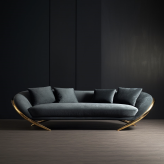
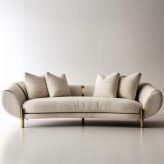
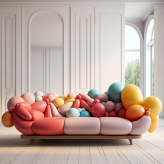
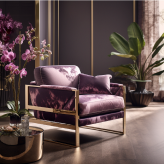
art inspired luxury furniture
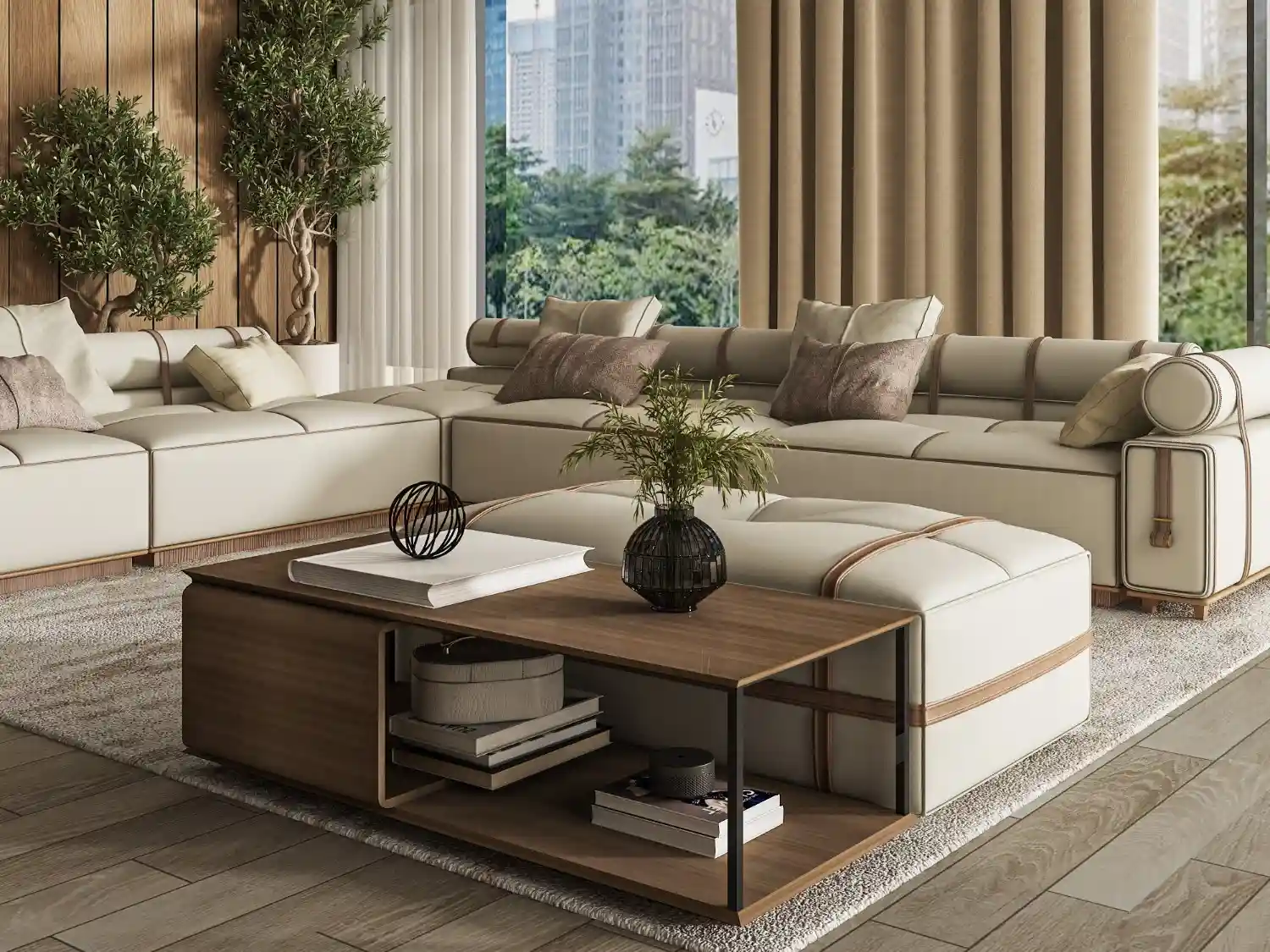
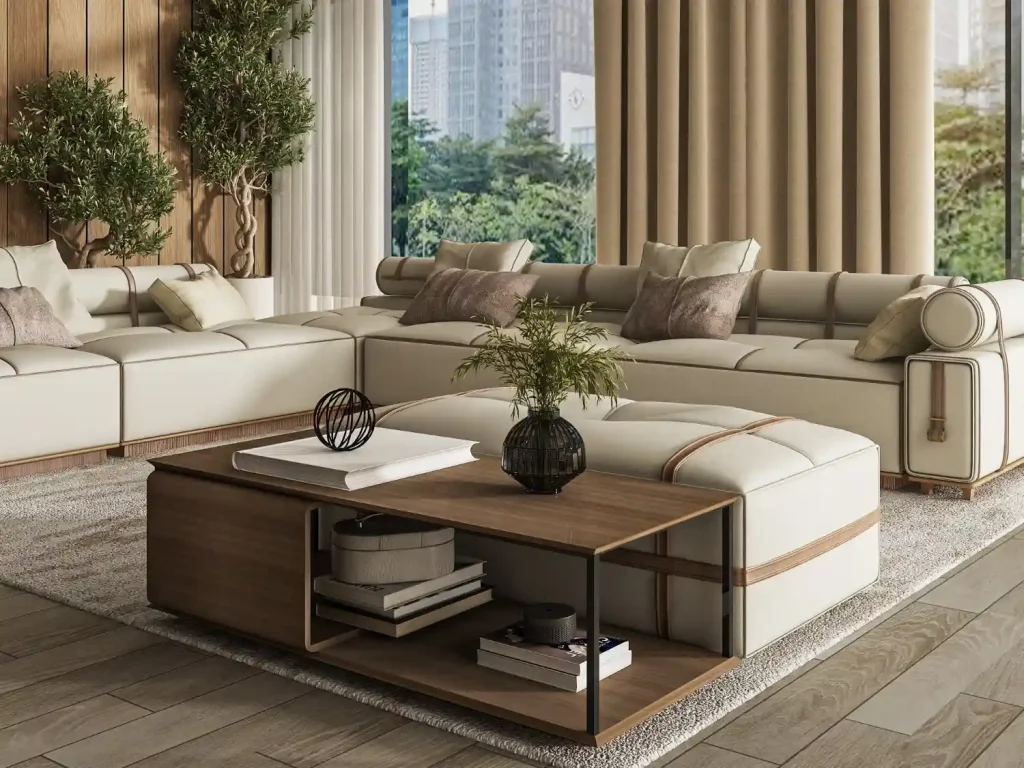
art inspired luxury furniture
The World of Art, Craft, and Opulence in Contemporary Living Spaces
Luxury today is no longer defined solely by price or exclusivity. Instead, it is shaped by meaning, craftsmanship, cultural depth, and emotional resonance. Across the globe, discerning homeowners, collectors, architects, and designers are redefining how living spaces should feel and function. Furniture is no longer just functional décor; it has become an expression of identity, taste, and artistic appreciation. At the center of this evolution lies art inspired luxury furniture, a category that merges fine art, heritage craftsmanship, and high-end design into functional masterpieces.
This shift reflects a broader cultural movement. As people spend more time in their homes, they want surroundings that stimulate creativity, convey personal stories, and offer lasting value. Furniture that draws inspiration from art does more than fill a room—it transforms space into an experience.
Redefining Luxury Through Artistic Expression
Traditional luxury furniture often emphasized grandeur, ornate detailing, and expensive materials. While these elements remain important, modern luxury is increasingly about intention. Artistic influence introduces narrative into furniture design. Each piece tells a story—whether inspired by Renaissance sculpture, abstract expressionism, or contemporary digital art.
Designers working in this space often collaborate with painters, sculptors, architects, and even fashion designers. The result is furniture that blurs boundaries between disciplines. A chair may echo the curves of a marble statue; a table might reflect the geometry of cubist paintings. In many cases, these pieces are closer to gallery exhibits than conventional furnishings.
This fusion elevates interiors into curated environments rather than decorated rooms.
Historical Roots of Art and Furniture
The connection between art and furniture is not new. In ancient civilizations, furniture was often decorated with symbolic carvings and painted motifs. Egyptian thrones, Roman couches, and Chinese lacquered cabinets were all functional objects imbued with artistic significance.
During the Renaissance, furniture makers were considered artists. Their work incorporated mythology, religious symbolism, and architectural principles. In later centuries, movements such as Art Nouveau, Art Deco, and Bauhaus further solidified the link between artistic philosophy and functional design.
Today’s art inspired luxury furniture continues this lineage, reinterpreting historical influences through contemporary materials, technologies, and lifestyles.
The Role of the Designer as an Artist
In this realm, designers do not merely solve practical problems; they create emotional connections. They approach furniture as sculptural forms, paying attention to proportion, rhythm, texture, and visual balance.
Many luxury designers sketch by hand, sculpt prototypes in clay, or use digital modeling to refine shapes before production. Each stage is treated as an artistic process. The goal is not mass appeal but meaningful impact.
Limited editions are common. Some pieces are produced in extremely small quantities, sometimes as one-of-a-kind creations. This exclusivity enhances their value, both aesthetically and financially.
Materials That Become the Medium- art inspired luxury furniture
Materials are the canvas of luxury furniture design. Exotic woods, hand-polished marble, rare stones, cast bronze, hand-stitched leather, and custom glass are selected not just for durability but for expressive potential.
Artistic inspiration often dictates material choice. A piece inspired by nature may use organic textures and raw finishes, while one influenced by modern art might feature high-gloss surfaces and bold colors.
Sustainability has also become a major factor. Ethical sourcing and environmentally responsible practices add another layer of value, proving that luxury and responsibility can coexist.
Craftsmanship as a Living Art Form
Behind every exceptional piece lies the work of master artisans. These craftsmen bring decades—sometimes generations—of expertise. Hand carving, marquetry, metal casting, and upholstery are performed with precision and patience.
In art inspired luxury furniture, craftsmanship is not hidden; it is celebrated. Visible joinery, hand-finished details, and subtle imperfections reveal the human touch. These qualities distinguish true luxury from machine-made replicas.
Workshops often function like studios, where artisans collaborate closely with designers. This synergy ensures that artistic vision and technical execution remain aligned.
Furniture as Functional Sculpture
One of the defining traits of this category is its sculptural quality. Furniture is designed to be admired from every angle. A sofa may resemble a flowing form frozen in motion. A console might appear to defy gravity through clever engineering.
Despite their artistic presence, these pieces remain functional. Comfort, ergonomics, and durability are never sacrificed. The challenge lies in balancing artistic daring with everyday usability.
This balance is what makes art inspired luxury furniture particularly appealing to collectors who want to live with art rather than simply display it.
Influence on Interior Design Philosophy
The rise of artistically driven furniture has changed how interiors are conceived. Rather than filling rooms with matching sets, designers now curate spaces around statement pieces.
A single table or chair can become the focal point of a room, influencing color palettes, lighting choices, and spatial layout. Interiors become layered compositions, much like a painting with foreground, background, and texture.
Minimalist environments often benefit most from this approach. When surroundings are restrained, artistic furniture can command attention without visual clutter.
Cultural and Global Inspirations
Designers draw inspiration from cultures across the world. African tribal art, Japanese wabi-sabi philosophy, Middle Eastern geometry, and European classical sculpture all influence contemporary luxury furniture.
These references are not copied directly but reinterpreted through modern sensibilities. This global dialogue adds depth and richness to each piece, allowing it to resonate with diverse audiences.
Collectors often appreciate this cultural storytelling, seeing furniture as a bridge between tradition and innovation.
Customization and Bespoke Creations
One of the hallmarks of luxury is personalization. Many clients seek furniture that reflects their individual identity and lifestyle. Bespoke services allow for customization in size, material, color, and finish.
In the context of art inspired luxury furniture, customization can go even further. Clients may collaborate directly with designers to create entirely new pieces, inspired by personal memories, artworks, or architectural spaces.
This collaborative process transforms furniture into deeply personal artifacts rather than generic products.
The Role of Technology in Artistic Design
While craftsmanship remains central, technology plays a supporting role. Advanced modeling software, CNC machining, and innovative material treatments expand creative possibilities.
Technology allows designers to experiment with complex forms that would have been impossible in the past. However, the final touch often remains human—hand sanding, polishing, and finishing ensure warmth and authenticity.
The coexistence of technology and tradition defines modern luxury.
Collectibility and Investment Value
High-end artistic furniture is increasingly viewed as an investment. Limited editions, designer reputations, and material rarity contribute to long-term value.
Collectors treat certain pieces much like fine art, tracking provenance and market trends. Auction houses and galleries now regularly feature furniture alongside paintings and sculptures.
This shift reinforces the idea that art inspired luxury furniture occupies a unique position between functional design and collectible art.
Sustainability and Ethical Luxury
Modern luxury consumers are more conscious than ever. Sustainability is no longer optional; it is expected. Responsible sourcing, reduced waste, and ethical labor practices enhance brand credibility.
Designers committed to sustainability often incorporate reclaimed materials or experiment with eco-friendly alternatives without compromising aesthetics.
This ethical dimension adds emotional value, allowing owners to enjoy beauty without guilt.
Emotional Impact of Artistic Furniture
Beyond aesthetics and value, these pieces evoke emotion. They invite touch, contemplation, and interaction. Living with artistic furniture can inspire creativity, calm, or even introspection.
Homes become sanctuaries rather than showrooms. Each piece carries meaning, memory, and intention.
This emotional resonance is what truly defines luxury in the modern age.
How Luxury Furniture Shapes Lifestyle and Well-Being
Art inspired luxury furniture refers to high-end furniture designed with influence from fine art, sculpture, architecture, and cultural aesthetics, combining functionality with artistic expression. Beyond visual appeal and craftsmanship, high-end furniture plays a subtle yet powerful role in shaping daily life. The spaces people inhabit influence mood, productivity, and emotional balance. Thoughtfully designed furniture can promote comfort, clarity, and a sense of harmony that mass-produced items often fail to deliver.
When furniture is designed with artistic intention, it encourages mindfulness. People become more aware of their surroundings, appreciating details such as texture, form, and proportion. This awareness fosters a deeper connection between individuals and their living spaces, transforming homes into environments that support well-being rather than simply serving functional needs.
Ergonomics also plays a crucial role. Luxury designers understand that beauty must work in harmony with the human body. Seating, tables, and storage solutions are carefully engineered to support posture and movement while maintaining aesthetic elegance. This blend of comfort and design ensures that furniture enhances everyday life rather than complicating it.
Statement Pieces as Conversation Starters
In many homes, a single exceptional furniture piece becomes a focal point that sparks conversation. Guests are naturally drawn to unique forms, unusual materials, or unexpected design elements. These objects often invite questions about their origin, inspiration, or craftsmanship, allowing homeowners to share stories and personal values through their interiors for art inspired luxury furniture.
Such statement pieces also help define identity. They reflect confidence, creativity, and an appreciation for design beyond trends. Rather than following mainstream styles, owners curate spaces that feel authentic and intentional. This sense of individuality is increasingly valued in a world saturated with standardized aesthetics.
Integration in Residential and Commercial Spaces
While private residences remain the primary setting for high-end artistic furniture, commercial spaces are also embracing it. Boutique hotels, luxury offices, galleries, and high-end restaurants use distinctive furniture to create memorable experiences.
In hospitality, carefully selected furniture enhances brand identity and guest perception. A well-designed lobby or suite leaves a lasting impression, encouraging return visits and positive word-of-mouth. In corporate environments, artistic furnishings can communicate innovation, leadership, and cultural sophistication.
Education and Appreciation of Design
As interest in artistic furniture grows, so does public appreciation for design education. Design fairs, exhibitions, and digital platforms play a vital role in showcasing craftsmanship and creative processes. Consumers are becoming more informed, learning to distinguish between superficial luxury and true quality.
This growing awareness supports artisans and designers who prioritize originality and skill. It also encourages younger generations to pursue careers in design and craftsmanship, ensuring that traditional techniques continue to evolve rather than disappear.
A Timeless Approach to Modern Living
Ultimately, investing in thoughtfully designed furniture is about longevity. Rather than replacing items frequently, people choose pieces that age gracefully, both physically and aesthetically. Patina, wear, and subtle changes over time add character rather than diminishing value.
This timeless approach aligns with slower, more intentional living. Homes become curated over years instead of assembled overnight. Each addition is deliberate, meaningful, and reflective of personal growth.
The Future of Artistic Luxury Furniture
As lifestyles evolve, so will design. Flexibility, modularity, and multi-functional pieces will gain importance, but artistic integrity will remain essential.
Future designs may integrate digital art, smart technology, or interactive elements. Yet the core principle will stay the same: furniture as a medium for artistic expression.
The continued demand for art inspired luxury furniture suggests that people will always seek beauty, meaning, and craftsmanship in the objects they live with.
Living with Art Every Day
Luxury is no longer confined to museums or galleries. It lives in homes, offices, and private spaces where art and function coexist. Furniture inspired by artistic vision transforms daily life, turning ordinary moments into aesthetic experiences.
Choosing such pieces is not about following trends; it is about embracing a philosophy. A philosophy that values creativity, heritage, emotion, and individuality.
In a world increasingly driven by speed and mass production, art inspired luxury furniture stands as a testament to timeless beauty, human skill, and the enduring power of art in everyday life.