A Design-Led Standard for Contemporary Urban Living
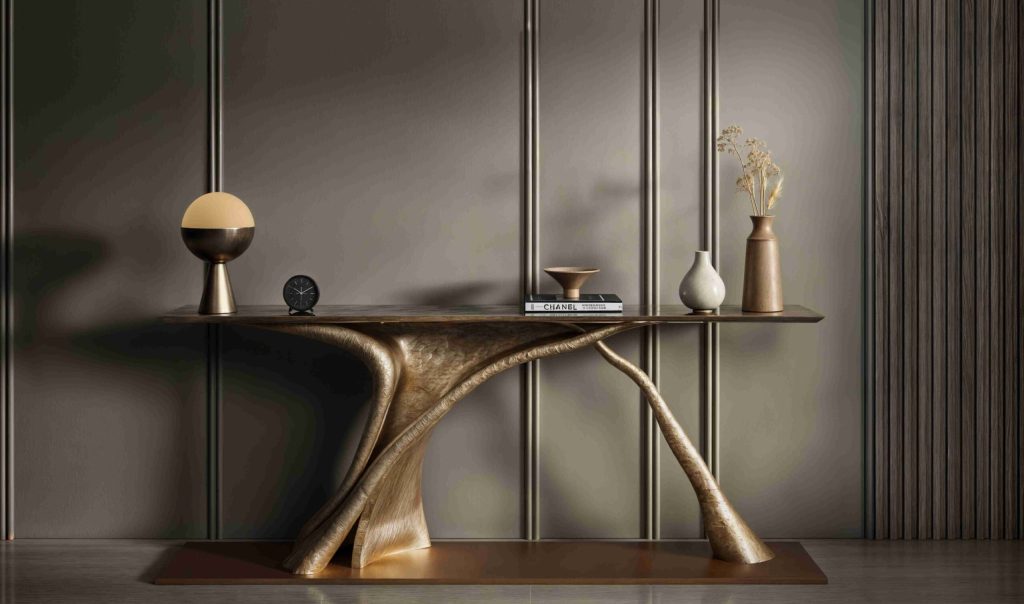
A Design-Led Standard for Contemporary Urban Living
Luxury furniture Mumbai is defined by discipline, proportion, and material intelligence. In a city shaped by dense urban planning, vertical residences, and evolving architectural forms, furniture must perform structurally while maintaining visual clarity. luxury furniture mumbai is no longer about ornament or excess. It is about precision, longevity, and spatial relevance.
Mumbai’s interiors demand furniture that integrates with architecture rather than competes with it. The modern interpretation of luxury furniture mumbai prioritizes balance, controlled scale, and durability. Furniture is expected to function as an architectural element that supports movement, light, and spatial rhythm.
Understanding Luxury Furniture in the Mumbai Context
The urban reality of Mumbai creates unique constraints. Limited floor areas, open-plan layouts, and high-frequency usage require furniture engineered for efficiency and endurance. Luxury furniture mumbai responds to these conditions through refined proportions and material discipline.
Luxury furniture in this market must adapt to compact apartments, expansive penthouses, and curated commercial spaces alike. This adaptability is achieved not through stylistic compromise but through thoughtful design systems. Luxury furniture mumbai emphasizes clarity of form to ensure compatibility across varied interior typologies.
Design Discipline as the Core of Luxury
True luxury begins with restraint. Luxury furniture mumbai is grounded in geometry, negative space, and structural logic. Each piece must justify its presence within an interior. Decorative excess is replaced by refined silhouettes and deliberate material expression.
Design discipline ensures that furniture remains relevant across changing trends. Clean lines, controlled mass, and balanced proportions allow interiors to evolve without rendering furniture obsolete. This philosophy defines the long-term value of luxury furniture mumbai.
Material Integrity and Environmental Performance
Material choice determines both performance and lifespan. Mumbai’s climate demands furniture that withstands humidity, temperature shifts, and constant use. Luxury furniture mumbai relies on high-grade woods, engineered metals, stable composites, and durable finishes.
Materials are selected for their aging characteristics as much as their appearance. Surfaces are designed to develop character rather than degrade. This ensures that luxury furniture maintains structural and visual integrity over extended periods.
Craftsmanship and Construction Standards
Luxury furniture Mumbai is defined by execution. Precision joinery, accurate alignment, and surface consistency are non-negotiable. Luxury furniture mumbai adheres to controlled production processes that prioritize accuracy over speed.
Craftsmanship transforms raw materials into cohesive systems. Every joint, edge, and surface contributes to overall performance. This level of execution ensures that furniture behaves predictably under real-world conditions.
Furniture as an Architectural Component
In contemporary interiors, furniture is inseparable from architecture.Luxury furniture mumbai treats furniture as an extension of built form. Pieces are designed to interact with walls, openings, and circulation paths.
This integration supports spatial coherence. Furniture enhances movement rather than obstructing it. Visual hierarchy is maintained through proportion and placement, reinforcing architectural intent.
Cohesive Furniture Collections
Luxury furniture Mumbai benefits from collections developed as unified systems. Seating, tables, consoles, and accent pieces share a common design language. Luxury furniture mumbai favors cohesion over isolated statement pieces.
Unified collections simplify interior planning. Designers and homeowners can furnish spaces without introducing visual conflict. Each element contributes to a structured spatial narrative.
Bespoke Furniture Within Defined Limits
Customization is essential but must be controlled. Luxury furniture mumbai supports bespoke solutions within established frameworks. This preserves balance and structural logic while addressing specific spatial requirements.
Dimensions, finishes, and materials are adjusted without compromising design intent. This approach ensures that custom furniture integrates seamlessly with architecture and existing interiors.
Appointment-Based Engagement and Focused Selection
The selection of luxury furniture requires time and attention. Luxury furniture mumbai increasingly operates within appointment-based models to enable focused evaluation.
This structure removes retail noise and allows furniture to be assessed in context. Scale, ergonomics, and material performance are examined without distraction. Decisions are informed rather than reactive.
Sustainability Through Longevity
Sustainability in luxury furniture Mumbai is achieved through durability. Furniture designed for extended use reduces environmental impact. Luxury furniture mumbai emphasizes long product lifecycles over disposable consumption.
Controlled production volumes and responsible material sourcing further support sustainability. Longevity becomes a functional outcome rather than a marketing claim.
Digital Platforms and Informed Access
Digital clarity supports physical engagement. luxury furniture mumbai relies on structured digital platforms that communicate design philosophy, material standards, and collection intent.
This transparency enables informed evaluation before physical interaction. Digital alignment improves efficiency and reinforces trust.
Market Positioning in Mumbai
Mumbai’s luxury furniture segment is competitive. Differentiation is achieved through depth, not visibility.Luxury furniture mumbai positions itself through design integrity, architectural relevance, and execution consistency.
This positioning attracts professionals and homeowners who prioritize permanence and clarity. Furniture becomes an investment in spatial quality rather than a decorative expense.